
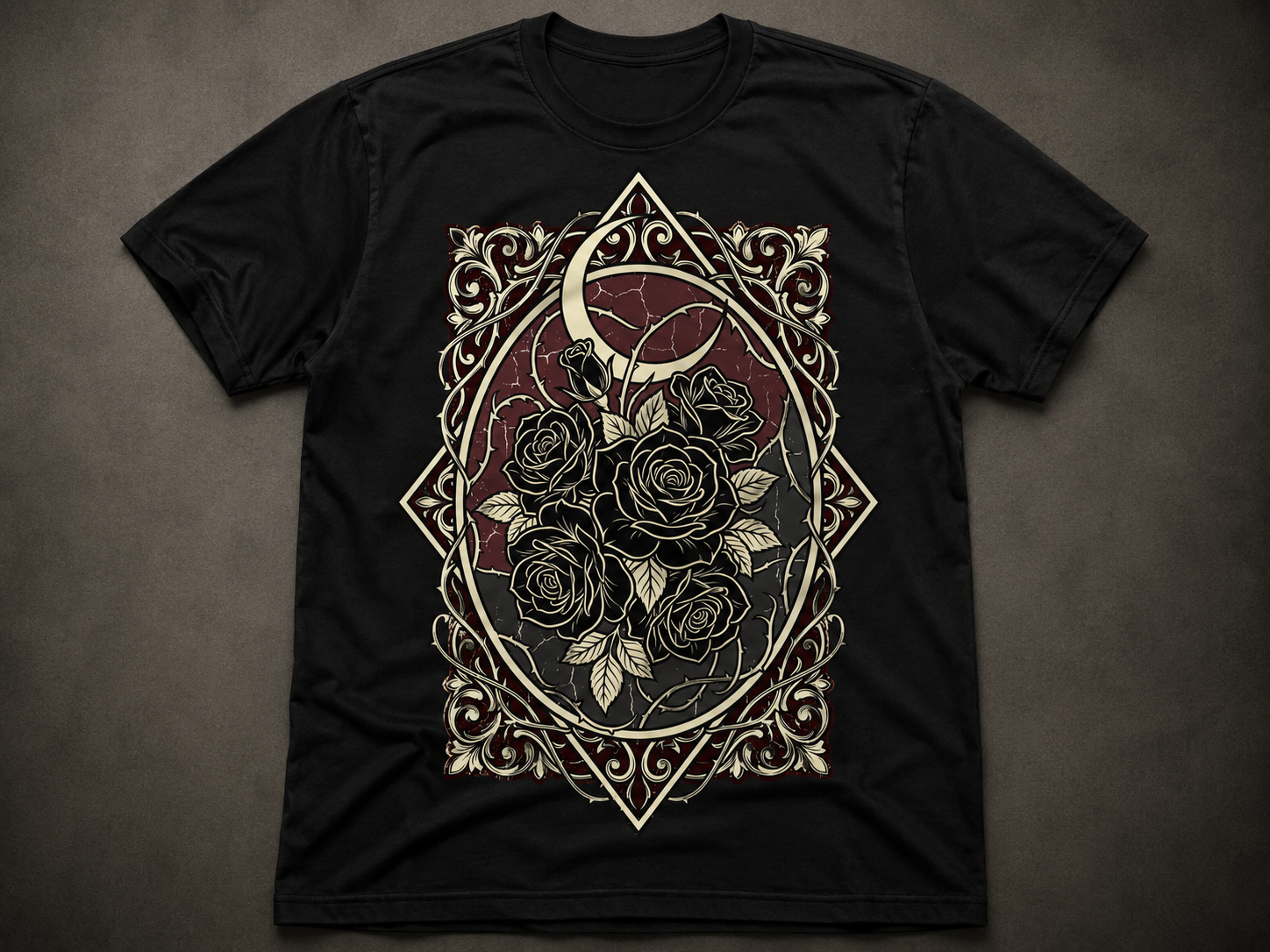
Modern Direct-to-Film (DTF) prints are engineered to flex with your shirt fibers and keep their vibrant color wash after wash—without the brittle cracking common to cheap iron-on vinyl. However, just like high-end athletic wear or screen-printed merch, how you wash and dry a custom garment plays a huge role in how crisp the graphic looks a year or two down the road.
Whether you purchased a ready-made tee from our PrintFlow Studio Shop, ordered custom shirts for your crew, or pressed your own garments using our ready-to-press DTF transfers, follow these straightforward care habits to maximize print life.
1. Wait 24 Hours Before the First Wash (Freshly Pressed Transfers)
If you just heat-pressed a DTF transfer yourself—or picked up a freshly pressed custom order—give the garment at least 24 hours at room temperature before tossing it into the washing machine. Giving the hot-melt polyurethane adhesive a full day to settle into the weave of the cotton or polyester helps lock down fine text edges and small details.
2. Turn the Garment Inside Out Before Washing
Flipping your t-shirt or hoodie inside out takes two seconds and prevents the printed face of your graphic from rubbing against metal zippers, denim buttons, Velcro, and heavy seams on other clothes in the drum. That simple habit dramatically reduces surface abrasion over dozens of laundry cycles.
3. Wash Cold on a Gentle or Normal Cycle
Set your washer to cold water (or cool/tap cold) rather than hot water. High water temperatures serve two downsides for custom apparel: they shrink cotton fibers unevenly beneath the print, and repeated high heat stresses heat-activated transfer adhesives over time. Cold water cleans everyday wear effectively while keeping both blank shirt colors and DTF inks bright.
4. Skip Bleach and Liquid Fabric Softeners
Use a standard mild laundry detergent and avoid two laundry additives in particular:
- Chlorine Bleach & Harsh Stain Oxidizers: Can fade garment dyes and dull vibrant CMYK surface pigments.
- Liquid Fabric Softener & Dryer Sheets: Leave waxy conditioning coatings on textile fibers that can gradually weaken adhesive bonds—especially on polyester performance blends.
5. Tumble Dry Low—or Hang Dry for Maximum Longevity
High-heat commercial or home dryer cycles are the #1 enemy of any heat-applied graphic. Because DTF transfers are originally bonded around 300–320°F, baking shirts on scorching-hot dryer settings week after week can cause edges to curl, wrinkle, or lose elasticity.
Instead, tumble dry on low heat and remove garments promptly, or hang dry on a rack or wide hanger. Hanging dry also keeps 100% cotton tees and fleece hoodies soft and true to size.
6. Never Iron Directly Over the Printed Graphic
Touching a hot household iron directly to an exposed DTF print will melt or smear the ink and transfer film instantly. If your shirt is wrinkled around the graphic:
- Turn the garment inside out and press lightly on the reverse side using low-to-medium heat, or
- Lay a clean sheet of parchment paper or a thin cotton pressing cloth completely over the design before pressing briefly, or
- Use a handheld garment steamer from the inside of the shirt.
Also avoid dry cleaning, as dry-cleaning solvents are too aggressive for transfer adhesives.
Bonus Tip: Storing Unpressed Ready-to-Press DTF Transfers
If you buy ready-to-press DTF transfers in advance to press onto blanks as needed, keep unpressed sheets flat in a sealed zip bag or storage folder in a cool, dry room away from direct sunlight and bathroom/laundry humidity. Moisture in the air can cause unpressed film or adhesive residue to absorb dampness, so pre-pressing your blank shirt for 5 seconds before applying the transfer is always a smart habit.
Have Questions About Custom Shirts or Pressing Transfers?
Browse our ready-made original shirt shop or reach out for custom printed shirts and ready-to-press DTF transfers.