Why choosing the right method matters
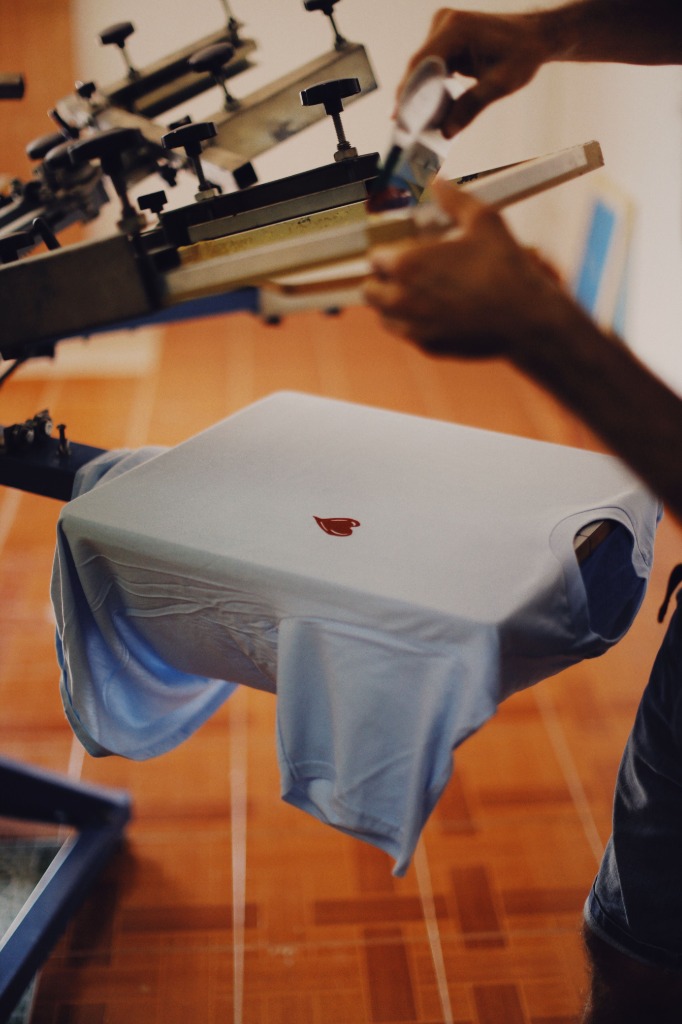
In the rapidly evolving world of custom apparel, two heavyweights often go head-to-head: Direct-to-Film (DTF) transfers and traditional Screen Printing. While screen printing has been the industry standard for decades, DTF is quickly becoming the go-to for many small to mid-sized brands.
Getting the best results from DTF starts with your artwork. Learn how to prepare your files for maximum vibrancy and durability. That's why we've put together this comprehensive guide to help you decide which path to take for your next project.
Complexity and Detail
One of the biggest advantages of DTF is its ability to handle extremely high levels of detail. Since it's a digital process, it can reproduce photographic images, gradients, and intricate line work that would be nearly impossible (or extremely expensive) with screen printing.
Color Accuracy
With DTF, what you see on your screen is very close to what you get on the fabric. You aren't limited by the number of screens, meaning you can have 100 colors in a design without any extra cost.
The Verdict
If you're doing high-volume (500+ pieces) simple designs, screen printing is still hard to beat on price. However, for most modern brands looking for quality, flexibility, and vibrant colors across any quantity, DTF is the clear winner.
Ready to get started?
Check out our file guidelines to ensure your designs are perfect for DTF.
View File Guidelines